
What does matcha really taste like?
Matcha is Japanese green tea ground into a fine powder. Unlike with traditionally brewed tea, you drink the whole leaf. That is what gives it such intense aromas and richness on the palate.
When you taste it, you will notice in particular:
- A vegetal flavour reminiscent of fresh grass or young shoots.
- An umami note, a rounded, savoury flavour that features prominently in Japanese cuisine.
- A slight bitterness, more or less pronounced depending on the quality of the matcha.
- A velvety texture, provided you whisk it well.
If you usually drink coffee, your first cup may take you by surprise. Matcha has neither coffee’s pronounced bitterness nor its roasted notes. It is more vegetal, smoother, and its flavour profile is more complex than it might seem.
Quality makes a big difference. Premium matcha is generally smoother and richer in umami. More standard matcha has more vegetal notes and can sometimes be a little more bitter.
How should you try matcha for the first time?
It can take a few cups to get used to matcha. Its vegetal taste and presence on the palate can be surprising if you are used to coffee or more traditional teas. The easiest approach is to start with milder preparations and gradually get to know its aromas.
The matcha latte: an excellent place to start
For many people, a matcha latte is the easiest way to discover matcha. With milk or a plant-based alternative, it becomes smoother and more indulgent. The texture is creamy, the vegetal notes soften a little, but its fresh, slightly umami character remains. Discover our matcha recipe for making a latte at home.
That way, you can explore the tea’s different flavours without experiencing its full intensity from the very first cup.
Served iced
Iced matcha lattes are a summer favourite. A few ice cubes, some milk and a serving of matcha are all you need for a refreshing, elegant drink.
As a hot drink
This is the most traditional way to enjoy it. Mixed with hot water or warm milk, matcha makes an interesting alternative to coffee to start the day.

Cooking with matcha
Matcha is not just for drinks: you can add it to all sorts of recipes.
In desserts and bakes
It works beautifully in:
- cakes and muffins
- pancakes
- cookies
- cheesecakes
- creamy desserts
- artisan ice creams
Its naturally vibrant green colour gives your creations a distinctive look. It also adds its vegetal notes.
In smoothies
With fruit and a dairy or plant-based base, a matcha smoothie makes a flavourful drink that’s especially enjoyable at breakfast.
Which flavours pair best with matcha?
Matcha has a very distinctive taste, but certain pairings really bring out its best qualities.
Citrus fruits. Lemon, yuzu and orange add freshness and balance its vegetal notes. This pairing is often found in contemporary Japanese patisserie.
Vanilla. Its sweetness softens the vegetal character and makes for a delicious pairing. It is also one of the most popular flavours in flavoured matcha lattes.
Red berries. Raspberries, strawberries and cherries create a contrast between tartness and sweetness. They work particularly well in desserts.
White chocolate. Less intense than dark chocolate, it lets matcha’s subtlety shine through while making it more indulgent.
Nuts. Almonds, pistachios and hazelnuts make elegant, balanced pairings. Their richness goes well with matcha’s umami.
Honey. Just a little is enough to soften the taste without masking the tea’s natural flavours.
How can you identify matcha’s flavours?
As you taste it, take a moment to notice what you sense on your palate:
| What you might notice | Description |
|---|---|
| Vegetal notes | They evoke fresh grass, young shoots or delicate green vegetables |
| Umami flavour | A rounded, enveloping and indulgent sensation |
| Natural sweetness | Found mainly in higher-quality matcha |
| Slight bitterness | More or less pronounced depending on its origin and preparation |
| Lingering finish | Flavours that linger pleasantly after each sip |
Contrary to popular belief, good matcha should not be excessively bitter. Higher-quality varieties are generally smoother and more balanced.
What alternatives to matcha are worth discovering?
Matcha is winning over more and more people, but its vegetal taste is not for everyone. The good news is that tea offers plenty of alternatives.
Hojicha: Japanese tea with roasted notes
Hojicha is often presented as the ideal alternative if you’re less keen on matcha’s vegetal flavour and want to make lattes. This Japanese tea is roasted after harvesting, a step that completely changes its flavour profile.
It develops comforting notes of:
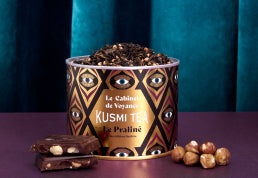
- hazelnut
- a hint of cocoa
- toasted wood
- subtle caramel
Its taste is more reminiscent of comforting drinks than traditional green teas.
The hojicha latte is also becoming increasingly popular with lovers of indulgent drinks. Its naturally toasted character often appeals to coffee drinkers.
Green tea leaves and flavoured teas:
Not convinced by matcha’s vegetal flavour? You can still enjoy green tea made with leaves to infuse. Unlike matcha, you don’t consume the whole leaf: you simply savour the infusion.
If you’re looking for something easier to enjoy or a little more indulgent, flavoured teas are another excellent option. They combine a tea base with natural ingredients or flavourings that enhance the taste.