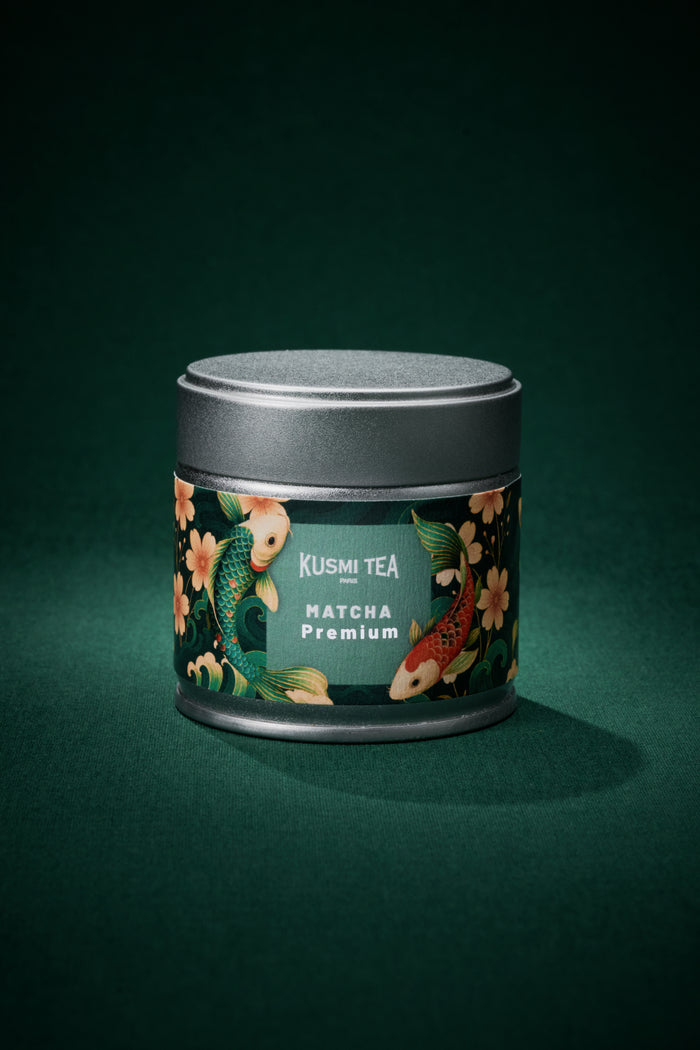

What is matcha: definition and properties
Matcha is a Japanese green tea. This Japanese drink has a surprising feature: unlike other teas, it is not consumed as leaves but as a powder, an incredibly fine and light powder. The more intense its green colour, the better its quality. But how is the characteristic emerald green of matcha obtained? The tea plants from which powdered green tea is made are covered with shade cloths a few weeks before harvest. Deprived of light, their leaves must produce more chlorophyll to carry out photosynthesis. The result? A brilliant green colour. This process enables the plant to create more amino acids. It softens the tea and increases its catechin (polyphenol) content, an antioxidant that is very good for health!
What are the benefits and virtues of matcha?
A tea with beneficial properties for health and the body! Matcha was the favourite tea of Buddhist monks, samurai and emperors. The former were convinced that it enabled them to concentrate while keeping their minds alert during long meditation sessions. The latter drank it before battle, so that it would bring them energy and vitality. All credited it with the power to fight fatigue and ensure a certain longevity. A legend that is not without foundation: matcha is said to be a true wellbeing cocktail, rich in vitamins, minerals and antioxidants. In short, a concentrate of beneficial nutrients!
The properties of matcha
The Prince of Green Teas is full of antioxidants, vitamins (A, C and E), trace elements (zinc, copper and iron) and amino acids (around 20 times more than a classic green tea). Its catechin content may notably help to:
- boost your immunity
- reduce fatigue and boost your energy thanks to the caffeine and iron it contains
- regulate blood pressure
- fight prostate cancer (helps fight free radicals)
- prevent oral infections
- fight bad breath
- a beautiful-skin effect by slowing cellular ageing
Matcha’s richness in catechins (polyphenols), molecules with remarkable antioxidant powers, partly explains the countless virtues attributed to it.
Good to know: the antioxidant family is vast. One of its most important members is EGCG (epigallocatechin gallate), a powerful flavonoid and catechin found in large quantities in matcha.
And that is not all! Matcha green tea is said to stimulate both mind and body: this Japanese drink is an excellent energiser and relaxant. Matcha is rich in magnesium, a mineral trace element recognised for its anti-stress properties. It also contains theanine.
Theanine aims to regulate mood and may have beneficial effects on memory, concentration and depression. Ready for your next wellbeing break? To fully enjoy the benefits of matcha tea, learn how to prepare it according to the rules of the art…
Antioxidant and detoxifying effects
Matcha consumption, renowned for its antioxidant benefits, is a true elixir for health. Thanks to its high concentration of catechins, notably epigallocatechin gallate (EGCG), this emerald-green powder acts as a powerful shield against free radicals, harmful particles involved in cellular ageing and various diseases. Regular matcha consumers agree that this natural antioxidant effectively detoxifies the body, thanks to the chlorophyll found in green tea leaves, which promotes the elimination of toxins and heavy metals.
Matcha’s impact on health does not stop there; in addition to its detoxifying properties, it supports metabolism and liver protection. According to reviews and qualitative analyses, choosing premium-quality organic matcha guarantees a rich flavour and low bitterness, while ensuring an optimal concentration of beneficial active compounds. Thus, investing in a good Japanese matcha is often considered wise by enthusiasts, due to its positive effect on the skin and its ability to promote an overall sense of wellbeing.
In summary, incorporating this energising drink into our recipes or morning latte not only provides an energy boost similar to coffee, without the undesirable effects of caffeine, but also makes a significant contribution to preserving our health. For anyone seeking foods with beneficial properties, matcha is a first-rate choice.

Impact on energy and concentration
Matcha consumption is recognised for providing a significant energy boost and improving concentration. The effects of this fine green tea powder come mainly from the caffeine it contains, offering a steadier and more sustained release than coffee. The presence of L-theanine, a unique amino acid, promotes relaxation without drowsiness, thereby supporting sustained mental alertness. Unlike the energy highs and lows associated with coffee, matcha provides a more balanced energising effect, without anxiety or agitation. Here are the main effects it can have on the body:
- Increased alertness and ability to concentrate over the long term.
- Reduced fatigue and tiredness thanks to a good level of energy maintained throughout the day.
- Improved mood and mental wellbeing, reducing stress and anxiety.
- Reviews are unanimous about its effectiveness in supporting an active, healthy lifestyle, making matcha an excellent health ally for followers of mindful, energising eating.
The cardiovascular benefits of matcha
Regular consumption of matcha is associated with multiple benefits for the heart and blood vessels. Indeed, this fine, vibrant green powder is rich in catechins, notably epigallocatechin gallate (EGCG), recognised for its positive impact on cardiovascular health. Studies suggest that the antioxidant properties of EGCG may help reduce the oxidation of LDL cholesterol, commonly known as "bad cholesterol", and consequently prevent atherosclerosis. In addition, consuming matcha may help lower blood pressure, thereby reducing the risk of hypertension, one of the main risk factors for cardiovascular disease. Another significant benefit is theanine, an amino acid found in large quantities in matcha, which promotes relaxation and reduces stress, a known factor in cardiovascular harm.
- Rich in catechins, notably EGCG
- Protection against LDL cholesterol oxidation
- Potential contribution to lowering blood pressure
- Relaxing effect of theanine on the cardiovascular system
Matcha and weight management
Matcha is far more than a simple traditional Japanese drink; it is a powder rich in benefits that can play a key role in weight management. Thanks to its high catechin content, powerful antioxidants, matcha promotes fat oxidation and stimulates metabolism, thereby increasing calorie expenditure. In addition, the caffeine and theanine in this highly concentrated green tea powder contribute to a prolonged feeling of fullness, reducing the tendency to compulsive snacking and supporting weight-control efforts. Numerous reviews agree on the effectiveness of organic matcha as a slimming ally, not only because of its natural properties but also because of its positive influence on energy and concentration, essential factors for maintaining regular physical activity. By incorporating matcha into your everyday recipes and drinks, you are choosing a healthy option whose virtues continue to impress.
Impact on skin and beauty
If you are looking to give your skin a radiant boost while enjoying a wellbeing cure, matcha could be your new beauty ally. This fine, bright green powder is not only delicious to consume, but also contains properties that benefit the skin. Rich in antioxidants, notably the famous catechins, matcha helps fight skin ageing and promotes skin radiance. Expert reviews praise its detoxifying virtues, which help purify the epidermis and reduce the appearance of imperfections.
Reduced stress
Here too, L‑theanine plays a key role. It promotes the production of alpha waves in the brain.
The result: you feel more relaxed, without feeling tired. It is a rare balance, particularly valuable in demanding environments.
Summary table of matcha benefits
| Benefit | Main active ingredient | Key effect |
|---|---|---|
| Antioxidant | EGCG | Protects cells |
| Sustained energy | Caffeine + L-theanine | Avoids energy spikes |
| Concentration | L-theanine | Improves focus |
| Metabolism | Catechins | Promotes fat burning |
| Detox | Chlorophyll | Eliminates toxins |
| Stress reduction | L-theanine | Soothes without causing tiredness |
| Immunity | Vitamins | Strengthens defences |
| Heart health | Polyphenols | Protects the cardiovascular system |
| Skin | Antioxidants | Enhances radiance |
| Digestion | Plant compounds | Supports digestive comfort |
How do you prepare matcha tea to make the most of its benefits?
For the body to absorb these many nutrients as effectively as possible, matcha preparation follows specific rules.
Choosing organic matcha tea
To make the most of its health benefits, Kusmi recommends choosing an organic matcha tea. If possible, ceremonial grade. Indeed, matcha teas are classified according to “grades”, with Ceremonial being the highest quality. The higher the grade, the better the quality of the leaves that make up your matcha. An organic label confirms the absence of pesticides in your drink. When it comes to colour, a vivid green is a sign of quality! So opt for a beautiful electric green.

How should you drink matcha to enjoy its benefits?
As matcha comes in powder form, it is not prepared like a tea: it is dissolved in hot water. To keep its properties intact, it is best to use mineral water. Also pay attention to the temperature: pour it when simmering. If it boils, it will unfortunately destroy the antioxidants.
Here are a few simple tips for preparing matcha tea while respecting the ritual gestures:
- Take a tea bowl.
- Add a little powder using a bamboo scoop called a “chasaku”.
- Pour in pure water heated to 80°C.
- Take the traditional bamboo whisk, known as a “chasen”, and whisk vigorously in a W motion with your wrist.
- When a layer of foam appears, the mixture is smooth and ready to enjoy. Choose it plain or sweetened!
A good example to follow? The Japanese, who drink matcha during the traditional tea ceremony. This ritual combines tasting and meditation. During the four-hour ceremony, the master performs highly codified movements, inviting silence and concentration. During the ceremony, guests savour both the tea and the joy of living in the present moment (another very important virtue for the mind!).
How do you cook with matcha tea?
A star of Japanese desserts, matcha is increasingly used in culinary recipes around the world, particularly in baking. In addition to its many benefits, it offers countless advantages! Its vegetal flavour and delicate bitterness pair perfectly with sweet flavours. They add a touch of sophistication and originality, enhanced by the distinctive shade of green that cakes, madeleines and financiers take on! Fancy trying matcha green tea? Take the plunge with our matcha gift set. The presentation box contains a tin of matcha, a traditional bowl, a bamboo chasen whisk and a chasaku scoop. The complete tea-making kit for following the ritual of the Land of the Rising Sun.
The history of matcha tea
It was Eisai, a Zen master, who introduced matcha to Japan in 1191. He brought back seeds after a Buddhist study trip to China. Matcha was then grown in very small quantities in Kyoto, Japan, in the first Zen temple founded by Eisai: the drink met with unexpected success and was quickly considered the best tea in Japan. The monks established a matcha tasting ritual, a tea ceremony that has now become emblematic of Japan. They also came up with the idea of shading the tea to multiply its benefits and properties tenfold.
To obtain this rare tea, pickers then hand-select the finest tea leaves. They are then dried and gently ground between two millstones, most often granite. When preparing this Japanese tea, the water fully absorbs the matcha powder produced by grinding. It then delivers all its benefits...