

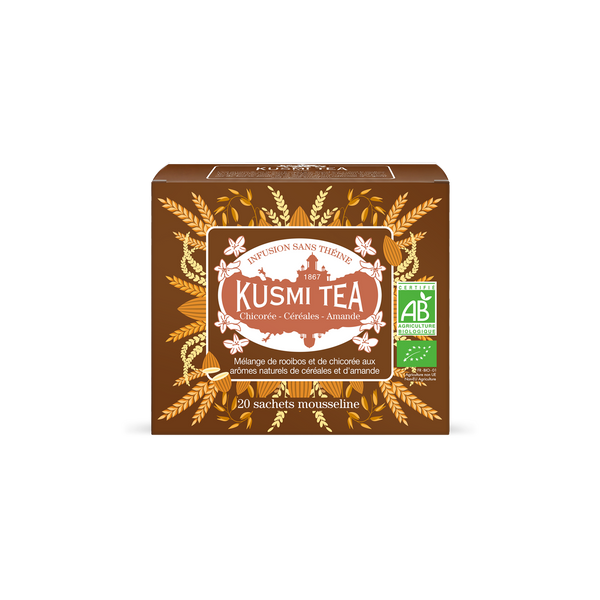

Chicory - Cereals - Almond
Herbal Tea Chicory • Rooibos • Cereal • bio
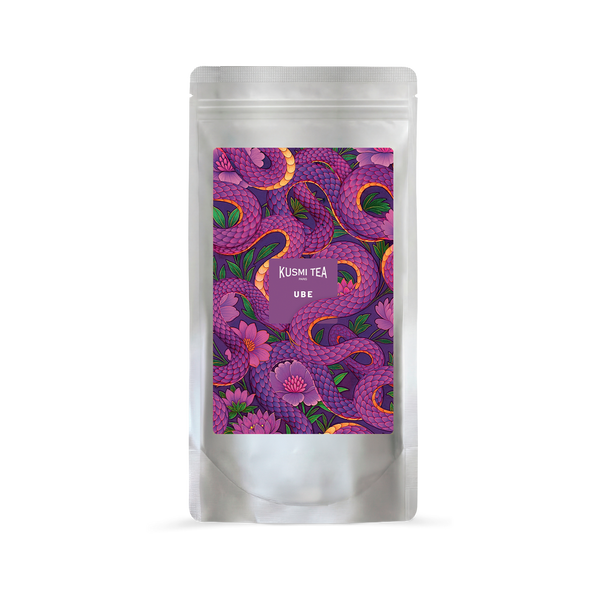
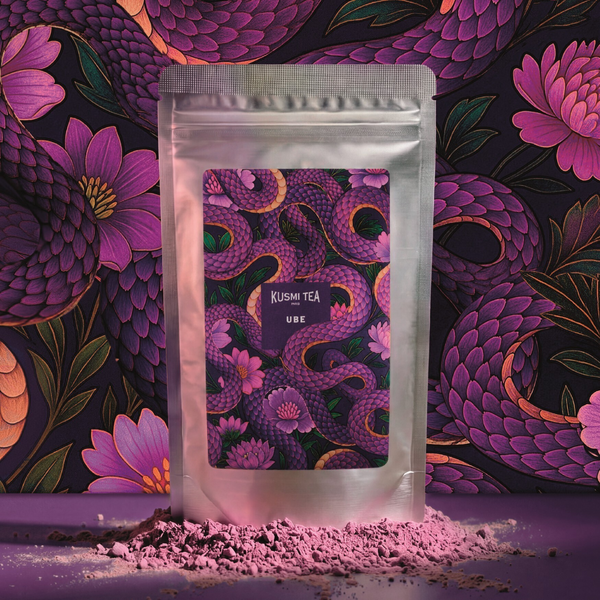
Ube
Ube Powder • 100g • China
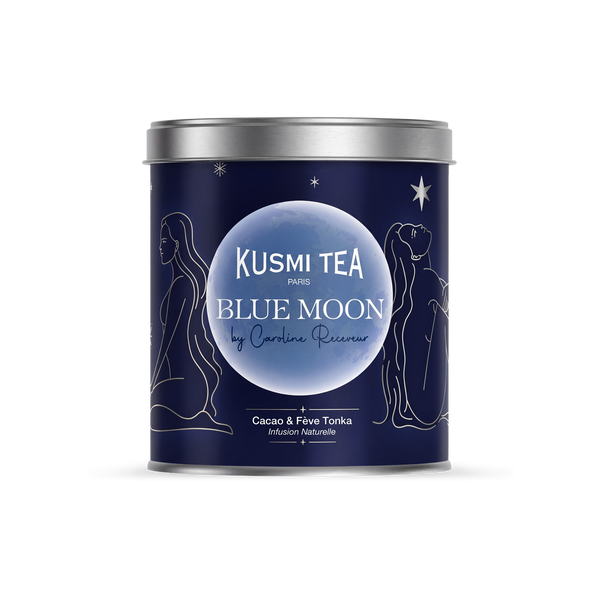
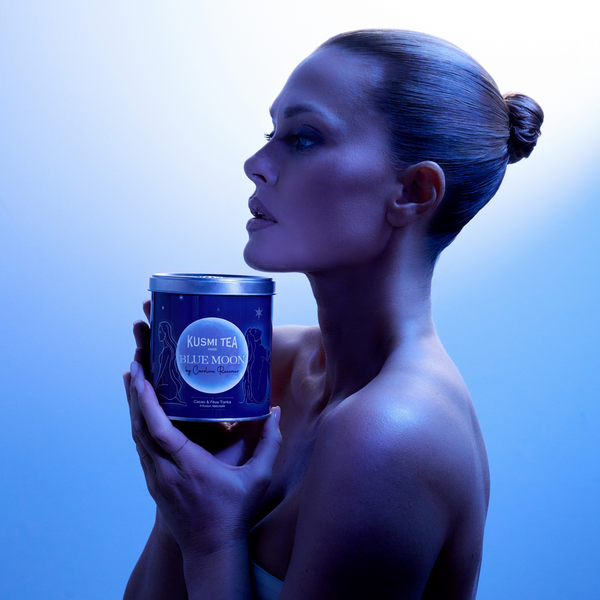
Blue Moon
Organic Cacao • Rooibos • Chamomile Herbal Tea
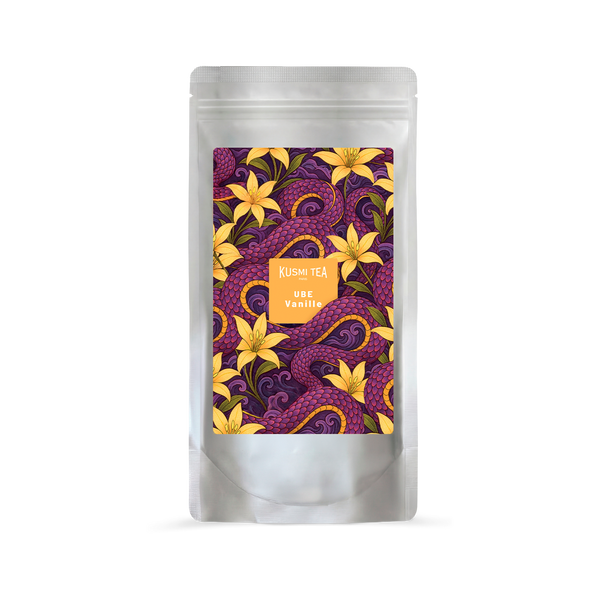
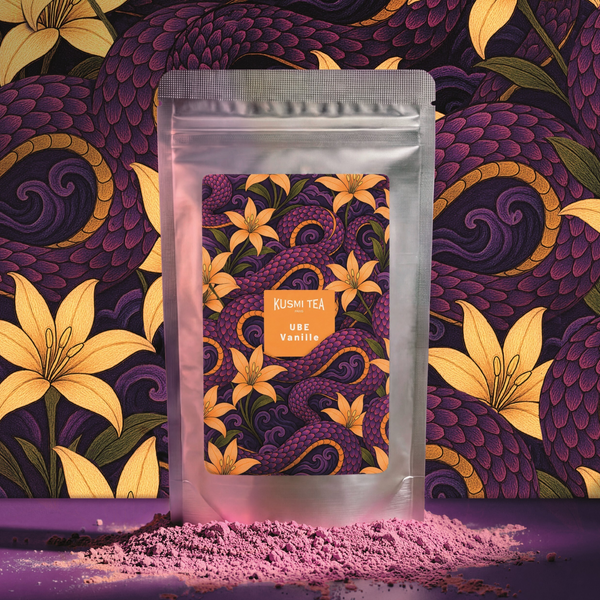
Vanilla Ube
Ube Vanilla Powder • 100g • China
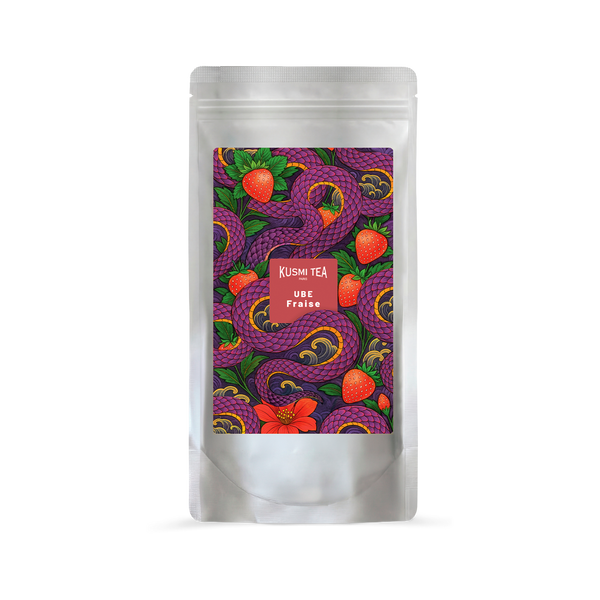
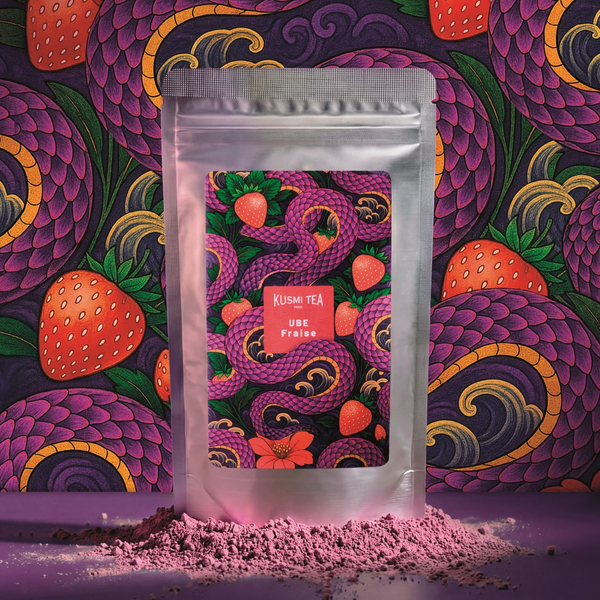
Strawberry Ube
Ube Strawberry Powder • 100g • China
Discovery offer
Up to 25% off when you mix and match our loose-leaf tea and herbal tea blends
New:
Discover our full Matcha and hojicha range
New Blue Moon:
The infusion that invites you to slow down: Rooibos, Cocoa, Tonka
New:
Recharge your batteries with Rituel Énergie, enriched with green coffee extract!
Organic infusions and herbal teas
What is the difference between an infusion and a herbal tea?
Technically, the term "infusion" refers to a general process that includes herbal tea. Infusing means extracting the chemical compounds or flavours from a substance into water, oil or another solvent, as with tea or coffee. A herbal tea (or tisane) is a beverage made by infusing botanical ingredients (excluding the tea plant) in hot water. Consequently, all herbal teas are infusions, but not all infusions are herbal teas. For example, a tea infusion would not be considered a herbal tea, because it is made with leaves from the tea plant (Camellia sinensis).
What are the best organic herbal teas?
Opt for certified organic herbal teas for superior quality free from pesticides and chemical fertilisers. Choose flavours you love, such as soothing chamomile, invigorating ginger and lemon, or refreshing peppermint. The best organic herbal tea simply comes down to personal taste. Explore different combinations to find your favourite. At Kusmi Tea, you will also discover a wide selection of organic herbal teas, offering an array of delicious flavours to delight every palate.
What is the best infusion for your health?
There is no single "best" infusion for health, as it depends on your individual needs. However, certain herbal blends are known for their specific potential benefits. For example, chamomile infusion is often enjoyed to help reduce stress and encourage restful sleep. Ginger infusion is renowned for its digestive and anti-inflammatory properties. Peppermint infusion is also frequently cited for helping to soothe digestive discomfort. However, it is important to note that these potential benefits are based on preliminary research, and it is always advisable to consult a healthcare professional before drinking herbal infusions for medicinal purposes.
What is the recommended brewing time?
Mastering brewing time is essential to unlocking every subtle nuance of your herbal tea. Generally, 5 to 10 minutes is recommended, allowing the aromas to blossom fully without turning bitter. For delicate infusions such as chamomile or mint, opt for a shorter steeping time to preserve their finesse. Observing the colour and enjoying the fragrances released by the infusion will guide you towards the perfect balance of flavour and well-being.
What are the benefits of drinking herbal tea regularly?
Herbal teas are brimming with benefits that brighten our daily lives. An essential source of comfort, they are perfect for every pause, helping to detoxify the body—as with our Rituel Défenses Immunitaires infusion—and encouraging deep relaxation, the hallmark of our Rituel Sommeil herbal tea. Rich in antioxidants, they are valuable allies in combating cellular ageing. What is more, the ritual of enjoying a herbal tea can become a mindful moment, bringing inner peace and mental clarity. By making herbal teas a regular part of your routine, you embrace a holistic experience where health and well-being come together in perfect harmony.
Can herbal tea replace tea or coffee?
Interest in herbal teas as an alternative to caffeinated drinks such as tea and coffee is making waves among wellness enthusiasts. Not only can they mirror the same comforting rituals as these stimulating drinks, but they also offer a wide spectrum of aromas naturally free from caffeine. It is a wonderful choice for anyone looking to reduce their intake of stimulants while enjoying a soothing break. With calming, digestive or invigorating properties, herbal teas are crafted to delight every palate and suit every moment of the day.
Are there any contraindications to drinking certain herbal teas?
It is crucial to note that certain herbal teas may have contraindications, particularly for pregnant or breastfeeding women, people taking medication, or those with specific health conditions. For example, excessive consumption of lemon balm tea can interact with thyroid function, whilst echinacea infusions are not recommended for individuals with autoimmune conditions. Always consult a healthcare professional before introducing or changing a herbal tea routine to avoid any risk of interactions or side effects.
Can you make iced herbal tea?
Absolutely, herbal teas can be enjoyed cold for thirst-quenching freshness on warm summer days or simply to mix things up. Cold brewing preserves the plants' natural properties while offering a gentle extraction method that reveals new, often more subtle and delicate flavours. Simply leave the botanicals to infuse in cold water for several hours, ideally in the fridge. Steeping time varies depending on the plants used, but leaving them overnight often ensures a perfect extraction of essences. Then, all that is left to do is strain and serve your refreshing drink.