

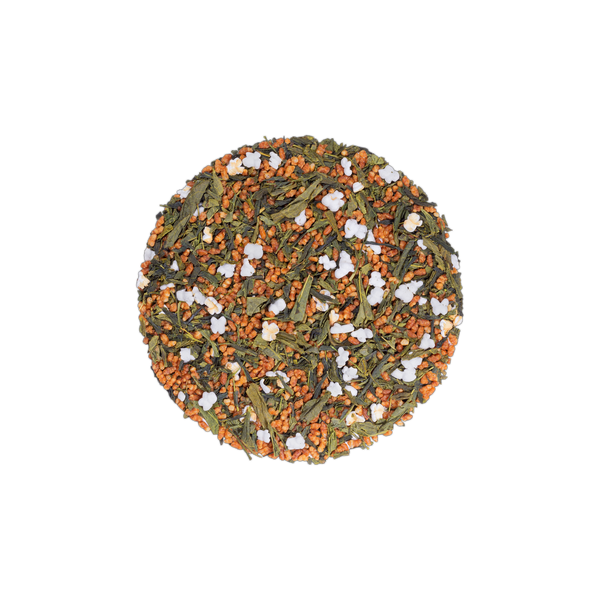
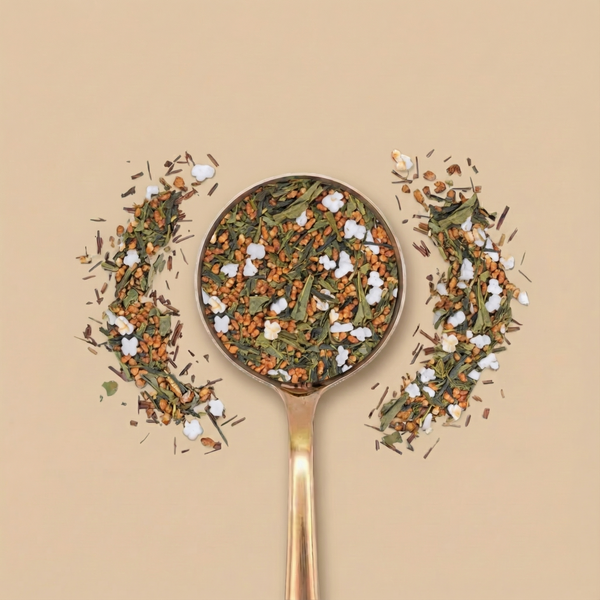
Genmaicha
Green tea Genmaicha • Japan • Grilled rice
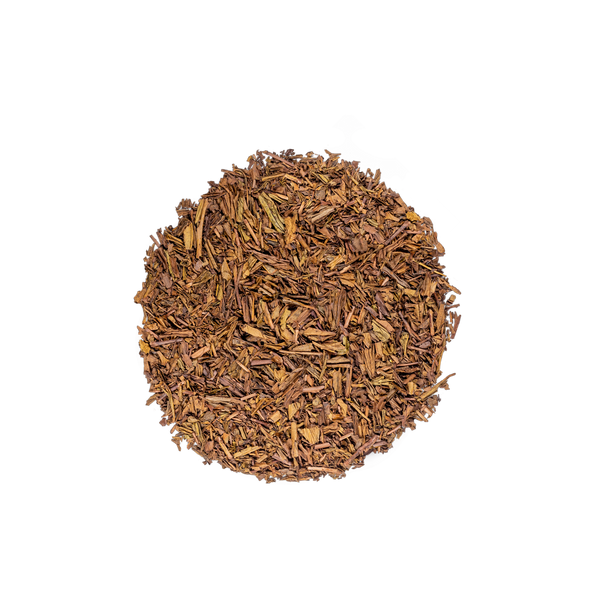
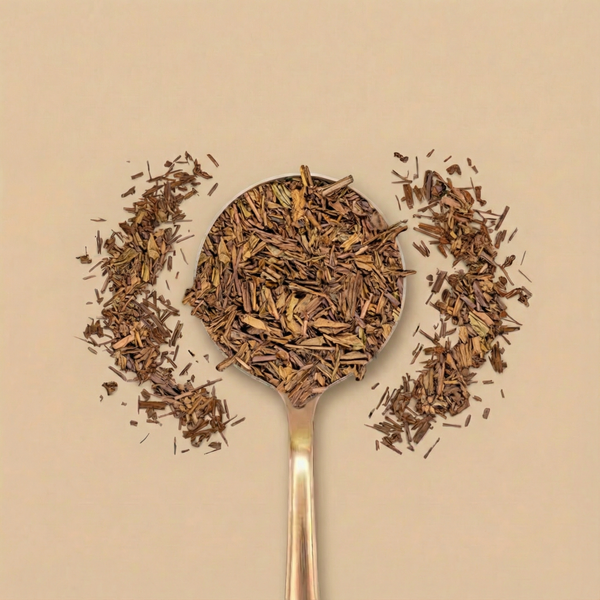
Hojicha , Kyushu – Bulk 100g
Green tea • Grilled rice • Organic
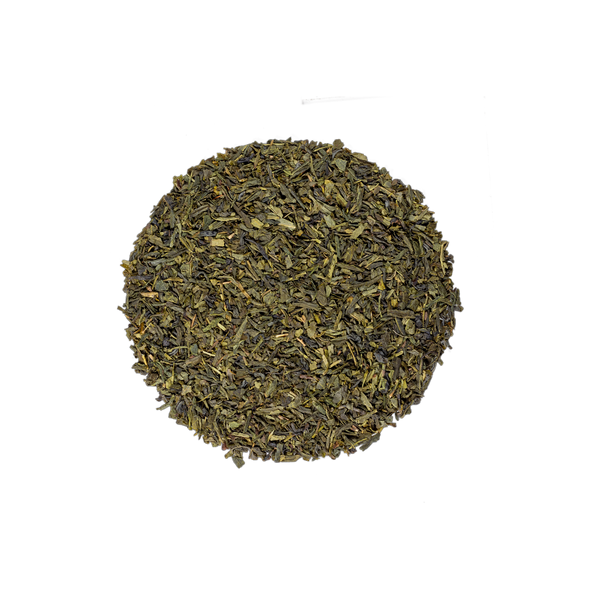
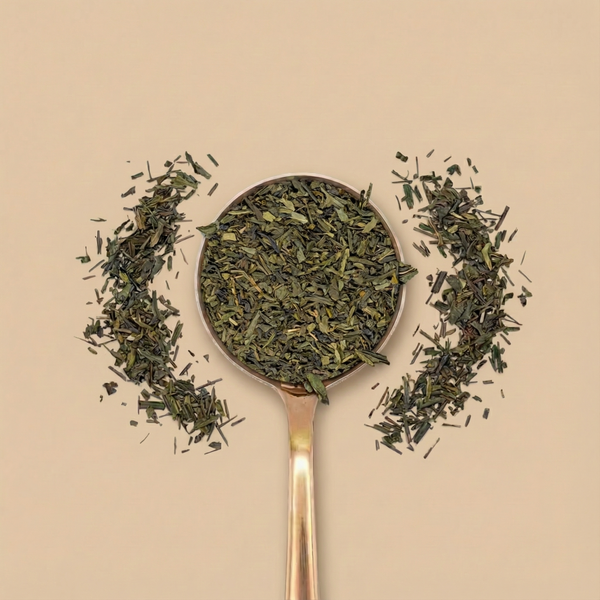
Green Sencha – Bulk 100g
Green tea Japan • Organic
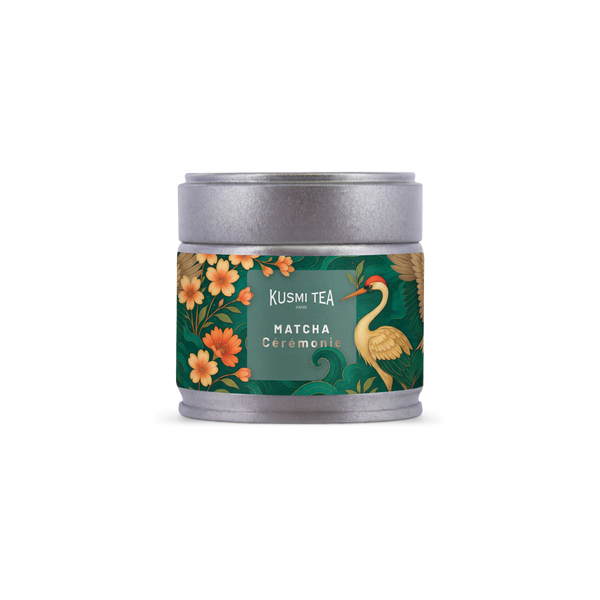
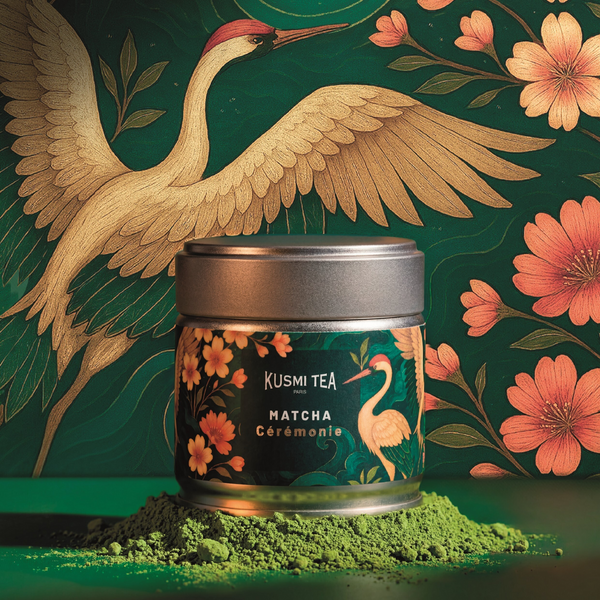
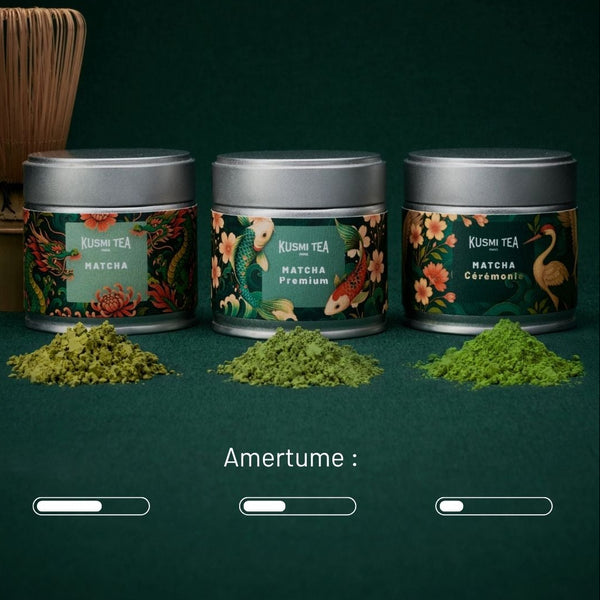
Ceremonial Matcha
Ceremonial Matcha green tea • 30g • Japan • Organic
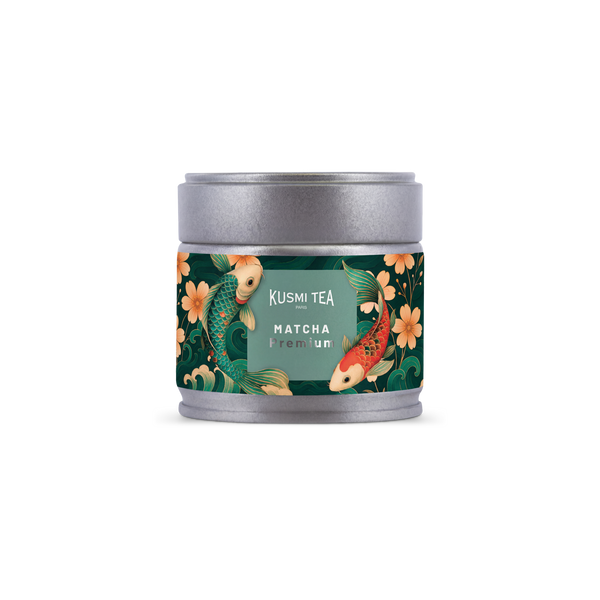
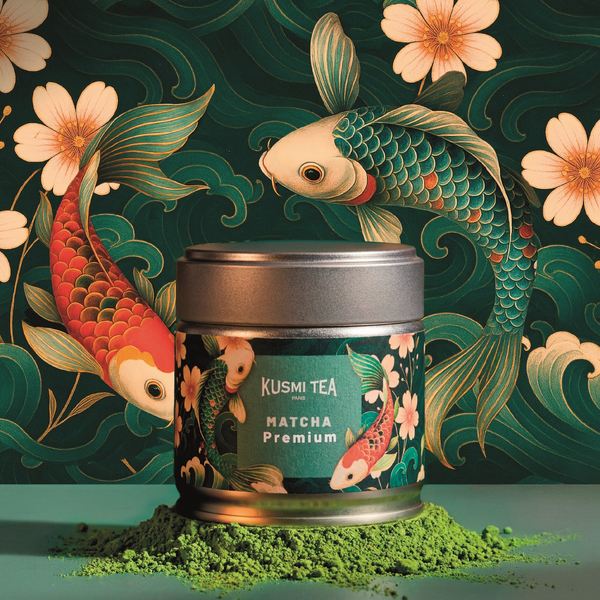
Premium Matcha
Premium Matcha green tea powder • 30g • Japan • Organic


Hojicha
Hojicha Green Tea Powder • 30g • Japan • Organic
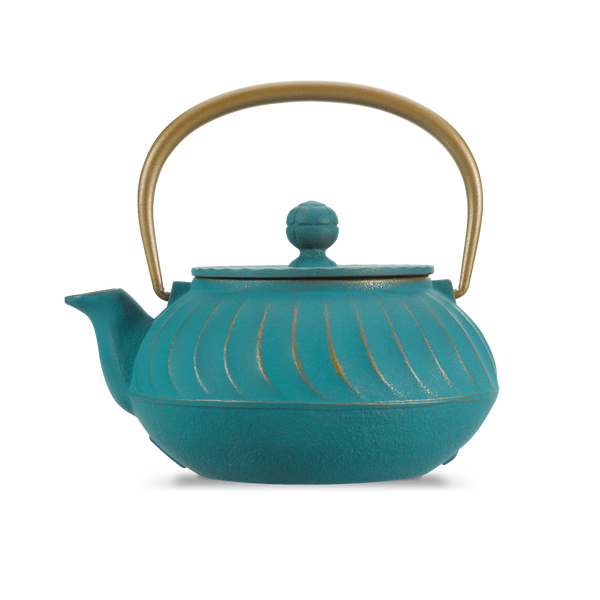
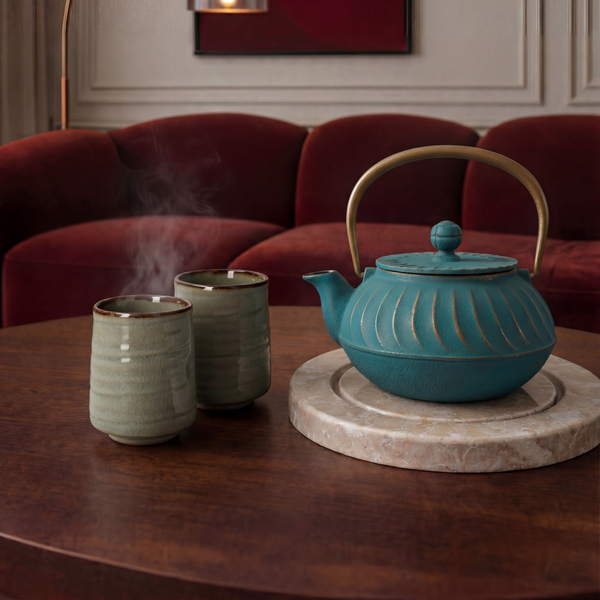
Nami cast iron teapot 65Cl
IWACHU • Handmade • Japanese Tea Ceremony
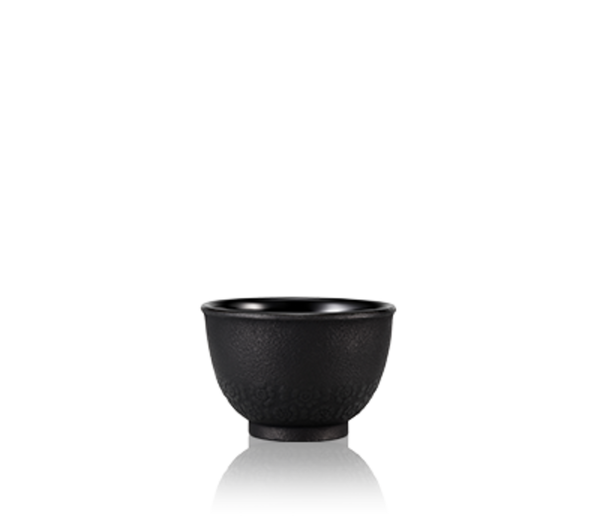
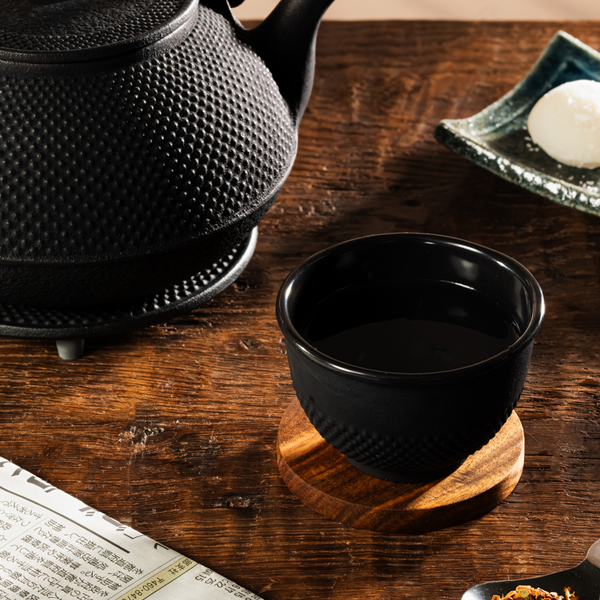
Sakura Cast Iron Cup 15Cl
IWACHU • Handmade • Japanese Tea Ceremony
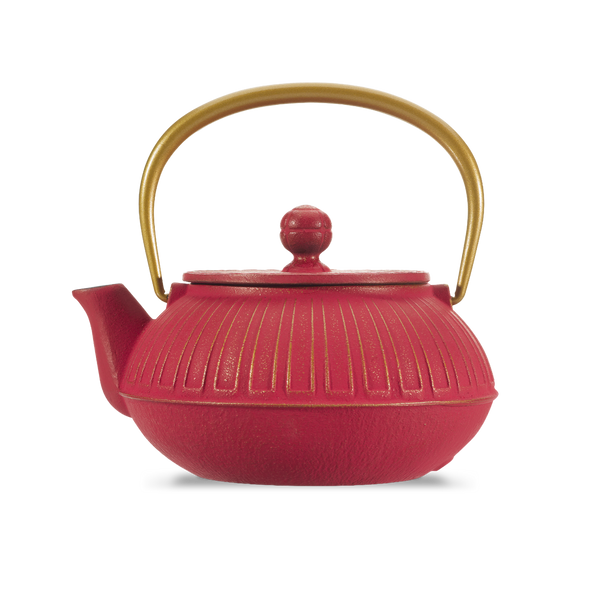
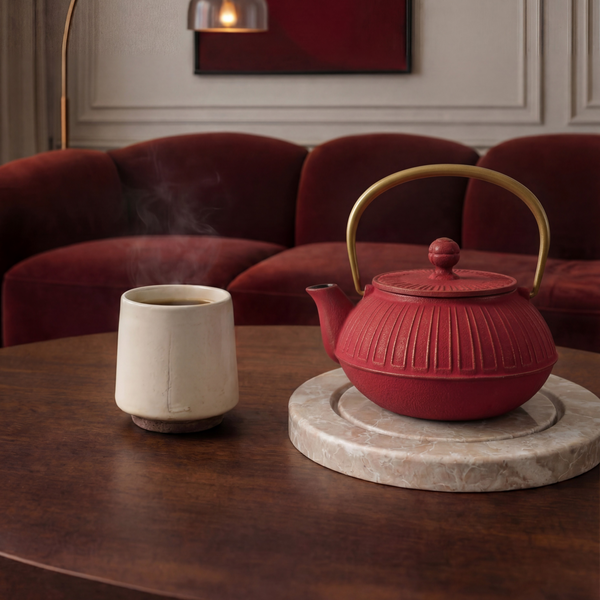
Kiku cast iron teapot 65Cl
IWACHU • Handmade • Japanese Tea Ceremony
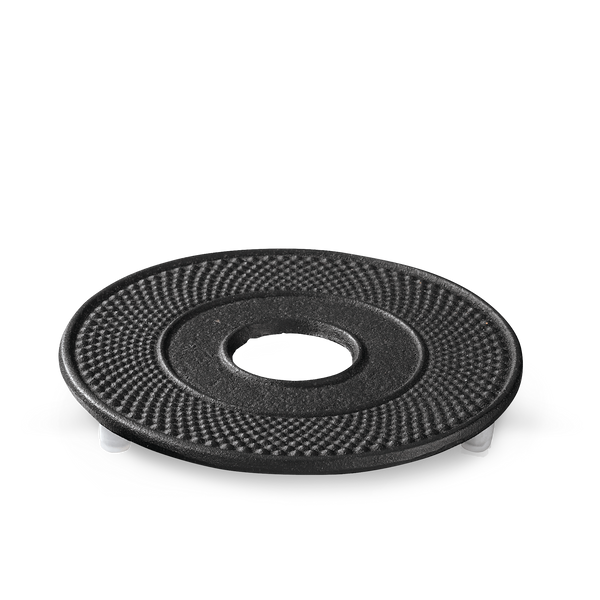
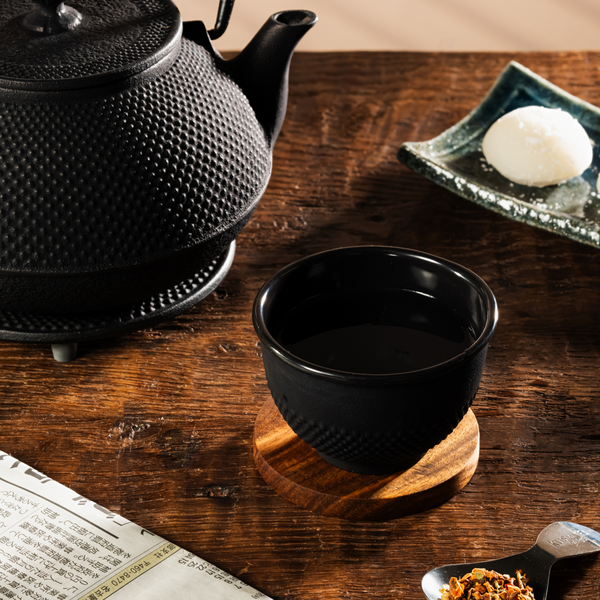
Cast Iron trivet
IWACHU • Handmade • Tea Ceremony • Japan
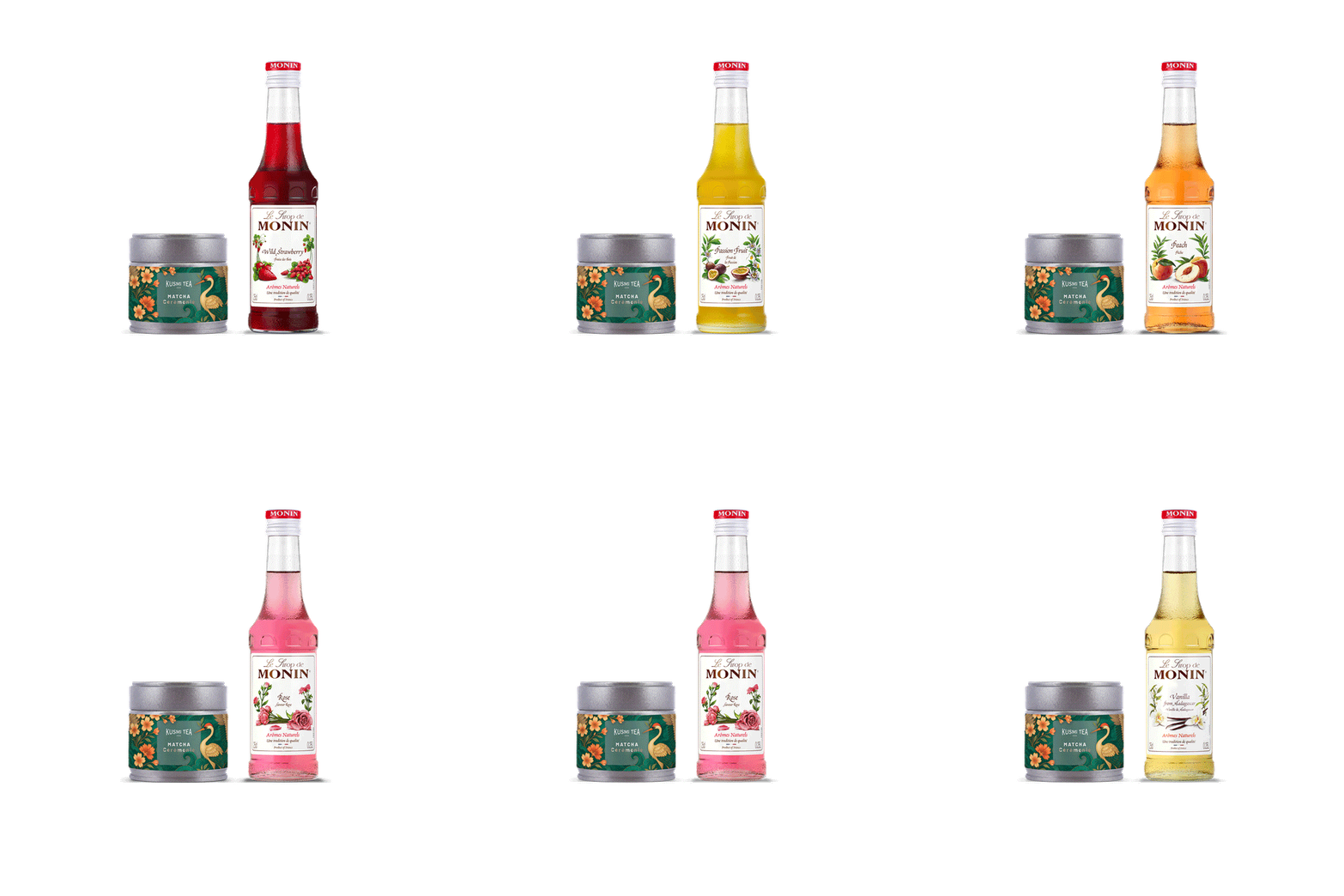
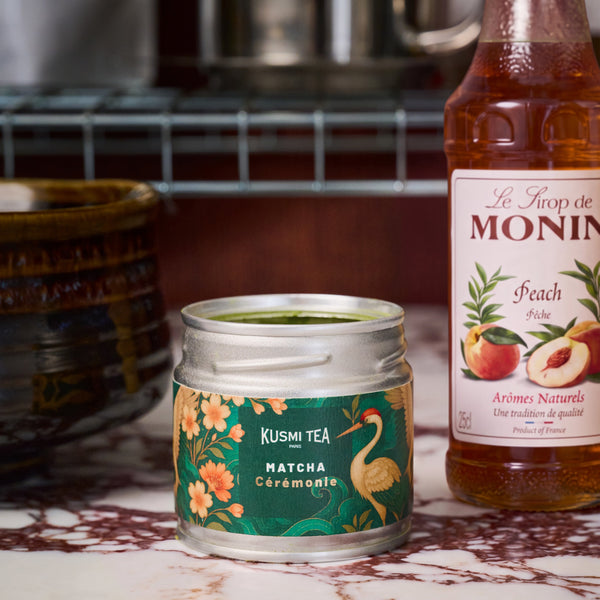
Kit Matcha and Syrups to Compose
1 can 30g of matcha • 1 Monin syrup
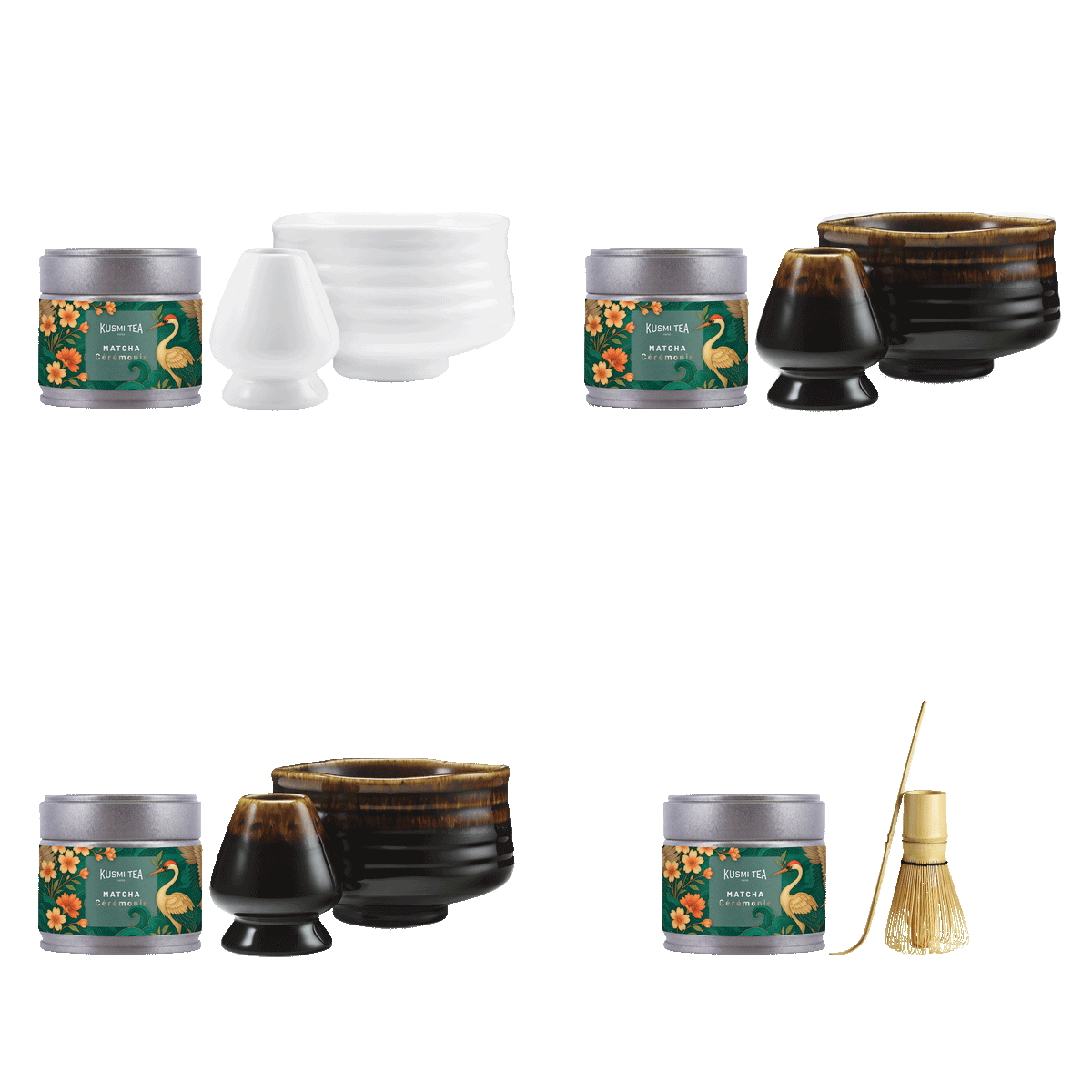
Matcha Sets and Accessories to compose
1 box 30g of matcha • 1 accessory box of your choice
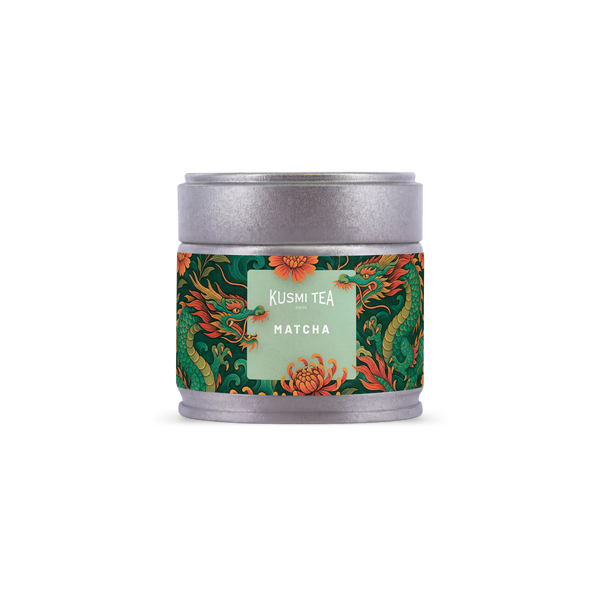
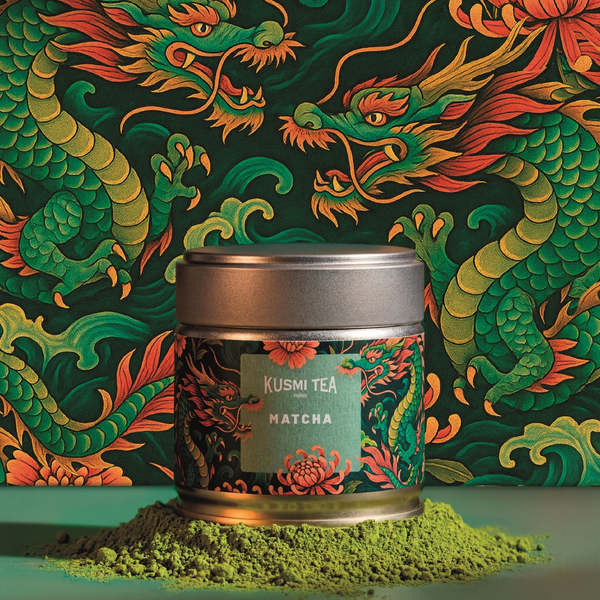
Matcha – 30 g tea-filled tin
Matcha Green Tea Powder • 30g • Japan • Organic
Japanese teas: discover our selection of essentials
Japanese teas combine tradition, quality and health benefits. Japan, the world’s eighth-largest producer, offers a wide variety of teas such as sencha, matcha and genmaicha. Very rich in antioxidants, especially matcha, these teas appeal to both novices and connoisseurs. Discover our selection of the finest Japanese teas, combining authentic flavours and wellbeing.
Our selection of the finest organic Japanese teas
Organic Japanese teas stand out for their environmentally respectful cultivation, without chemical fertilisers or pesticides.
Among the essentials, Sencha, which accounts for 70% of national consumption, appeals with its mild vegetal notes, richness in catechins and antioxidant benefits.
Matcha, grown in the shade before harvest, is a concentrate of nutrients, particularly theanine and catechins. Its fine, vibrant powder offers a unique experience, far beyond a simple infusion.
Genmaicha, a blend of green tea and roasted rice, appeals with its hazelnut aromas and low theine content, perfect for enjoying at any time of day.
Finally, Hojicha, a roasted green tea with an amber colour, offers warm caramel and coffee flavours while being very low in caffeine.
These organic Japanese teas combine authenticity, aromatic richness and health benefits – an ideal selection for discerning tea lovers.
How do you choose among the different Japanese teas?
Choosing the right Japanese tea depends on several criteria: caffeine content, flavour profile, desired benefits and time of day for drinking it.
Matcha, rich in caffeine (70–80 mg), provides lasting energy thanks to L-theanine – ideal in the morning. Sencha (20–30 mg) gives a moderate boost without jitters, perfect at any time of day. In the evening, opt for gentler teas such as genmaicha (10–15 mg) or hojicha, which is very low in caffeine (5–8 mg) and well tolerated by sensitive people.
In terms of flavour, matcha appeals with its intense umami, sencha with its vegetal freshness, while hojicha and genmaicha offer roasted, cereal or caramelised notes.
To maximise antioxidants, choose sencha; for a relaxing effect, shaded teas such as matcha are richer in theanine. Finally, the time of day also guides your choice: matcha in the morning, sencha during the day, hojicha or genmaicha in the evening.
Preparation tips for the perfect tasting experience
Water temperature plays a crucial role in preparing Japanese teas.
Unlike other varieties, different Japanese teas generally require cooler water to fully reveal their aromas without developing excessive bitterness.
For each type of tea, we recommend the following temperatures:
- Matcha: 50-70°C for 1-2 minutes
- Sencha: 70-80°C for 1 minute
- Japanese black tea: 85-90°C for 2-3 minutes
- Genmaicha and Hojicha: 90-95°C for 30-60 seconds
Boiling water at 100 °C is not recommended for most Japanese teas, as it alters their subtle aromas and increases astringency. If you do not have a temperature-controlled kettle, let the water rest after boiling or transfer it from one container to another (each transfer lowers the temperature by around 5 °C).
Dosage is also crucial: use around 5 g of tea for 200 ml of water, adjusting to suit your taste. More leaves and cooler water will enhance the umami, while a hotter infusion with less tea will make for a lighter cup.
For matcha, use a chasen (bamboo whisk) in a “W” motion for a smooth texture. Hojicha latte requires a maximum temperature of 80 °C to avoid any bitterness.
Finally, to keep your Japanese teas in the best conditions, store unopened sachets in the refrigerator, then allow them to return to room temperature before opening. Once opened, store them in an airtight container away from light, moisture and odours.