



Thyme herbal tea: benefits and origins
Thyme is an aromatic plant native to the Mediterranean basin that generally grows and thrives in dry, sunny regions of Europe. An aromatic herb much appreciated by the French, thyme evokes the South, its lilting accent and the garrigue. Thyme is generally used in cooking to enhance the flavour of certain dishes or season potatoes, fish, bread or shortcrust pastry. Beyond cooking, did you know that thyme can also be used for its benefits and virtues?
What are the benefits of thyme herbal tea?
A symbol of courage, thyme has long been used to purify the air. It was from the Middle Ages onwards that the medicinal virtues of thyme were discovered. So what are the benefits of thyme and, by extension, the virtues of thyme infusion?
Thyme herbal tea is particularly renowned for relieving cold-related ailments such as colds, flu and sore throats, all well known for spoiling our winters. Rich in phenol, a powerful antiseptic, thyme herbal tea may also help soothe irritated throats. Grandmother’s remedies for sore throats are still going strong: thyme herbal tea, honey and lemon, and you are back on track.
Sensitive stomach? Try thyme herbal tea. As an infusion, thyme may also improve digestion. Indeed, its antibacterial and antispasmodic action may restore intestinal flora and help the liver and gallbladder function properly. In short, thyme helps detoxify the body. More surprisingly, thyme may also be good for… your mouth. Made up of thymol, thyme may act against cavities and other bacteria. It is easier to understand why thymol is one of the ingredients in antiseptic mouthwashes.
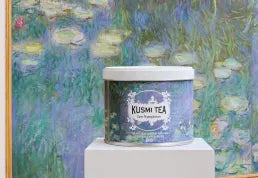
Discover Organic Thyme Infusion Lemon-Chamomile-Orange Leaves: Your Daily Sensory Escape by Kusmi Tea
Does thyme herbal tea help you sleep?
In a previous article, we told you about our infusions for sleep. Verbena and chamomile are the stars of bedtime herbal teas. What if thyme joined the pyjama party?
Did you know? Thyme contains an anxiolytic compound that may benefit sleep. Thyme herbal tea may therefore have relaxing effects on anxious people, much like verbena. Drink it in the evening after your meal and hope to dance with Morpheus.
How do you make thyme herbal tea?
We like to pair thyme with other spices such as oregano, clove or cinnamon to prevent flu and other viral and bacterial illnesses. With a touch of honey or lemon, thyme herbal tea may soothe sore throats. Finally, thyme, blended with turmeric or ginger, may also strengthen immunity and vitality.
Which herbal tea should you drink in the evening?
As everyone has a different sensitivity to theine, choose herbal tea in the evening. 100% theine-free, Kusmi organic infusion will allow you to hydrate with a hot drink without making you feel “wired” after your meal. There is a wide choice among our organic infusions. To help you sleep, we like to turn to infusions made with organic rooibos, verbena, lime blossom, lemon balm or chamomile. Like thyme, these plants are known for their soothing and relaxing benefits.
At Kusmi, try our Sleep Ritual herbal tea, Lovely Night, Be Cool or Feel Zen to unwind in the evening. Others may prefer the indulgence of our almond rooibos and vanilla, and we understand why.

How long can thyme be consumed as an infusion?
Thyme infusion is an age-old tradition, valued for its many health benefits. Whether you want to soothe a cough, relieve an irritated throat or stimulate digestion, this herbal tea has proven its worth. But for how long can it be consumed? According to experts, there is no fixed duration, as it depends on each individual and their state of health. However, a few recommendations can guide your use:
For mild conditions such as a cold: one thyme herbal tea daily for the duration of your symptoms may contribute to a speedy recovery.
As a preventive approach: one to two cups a day during periods prone to respiratory infections may help strengthen immune defences.
For digestive problems: one cup after meals may aid digestion and limit feelings of discomfort.
It is advisable not to exceed three to four weeks of continuous consumption, after which it would be wise to take a break. This helps prevent undesirable effects and maintain the plant’s effectiveness. In addition, adding honey to the infusion can not only soften the taste, but also increase its soothing effect on coughs and sore throats, thanks to honey’s antiseptic properties.
If in doubt or for prolonged treatment, it is always recommended to consult a healthcare professional for personalised advice. This will strike the perfect balance between thoughtful use and fully enjoying the virtues of thyme, a medicinal and aromatic plant whose thymol-rich leaves have endured through the centuries as allies of our well-being.